
What Parameters Define the Performance of Desiccant Packs for Containers in Global Supply Chains?
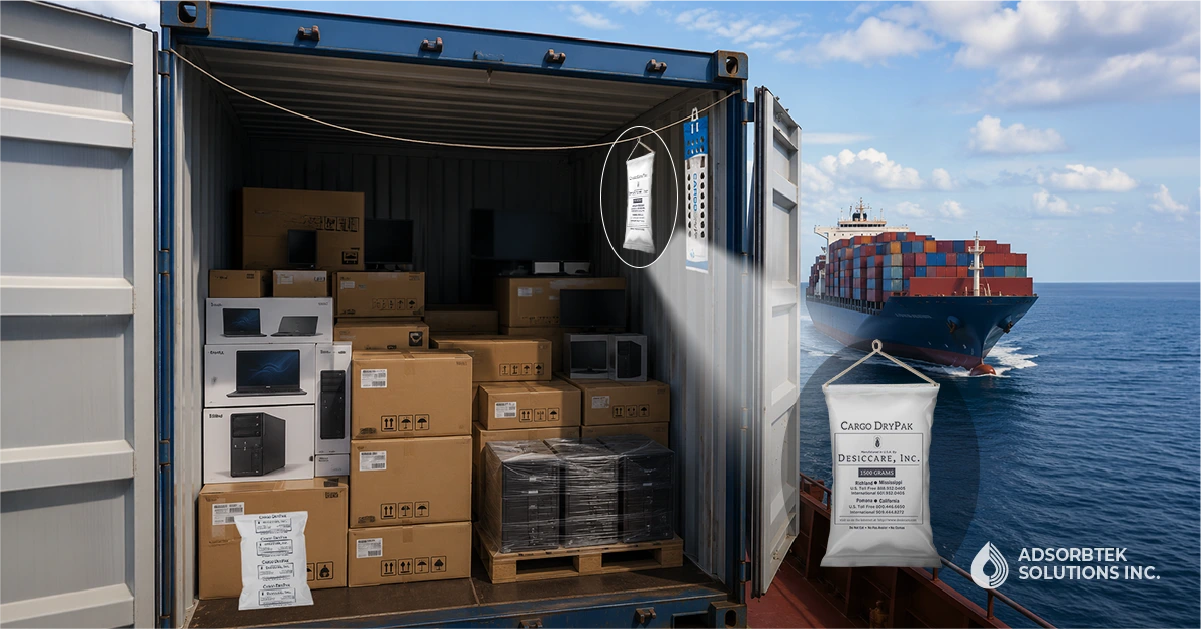
Ensuring the integrity of sensitive cargo during international transport requires precise moisture control. Desiccant packs for containers play a pivotal role in preventing condensation, hydrolysis, and degradation of products ranging from pharmaceuticals to electronics. These packs are engineered to create a controlled micro-environment within shipping containers, reducing the risk of spoilage and preserving product quality throughout transit. Their performance is influenced by multiple technical and operational factors, which determine how effectively they protect cargo under varied shipping conditions.
Understanding Moisture Adsorption Capacity
The effectiveness of desiccant packs is primarily determined by their ability to adsorb and retain moisture. Factors influencing adsorption include:
- Material composition: Common desiccants such as calcium chloride, silica gel, and molecular sieves each offer distinct moisture absorption properties. Calcium chloride, for example, is highly hygroscopic, absorbing moisture rapidly and efficiently. Silica gel, on the other hand, works better in moderate humidity environments and maintains consistent adsorption over time.
- Relative humidity conditions: Packs perform differently under high versus low RH levels; selecting the correct desiccant type for specific environments is crucial. In tropical shipping routes, high RH desiccants are recommended, while temperate or dry routes require different specifications.
- Weight-to-absorption ratio: Efficient packs absorb up to 300% of their weight, ensuring sufficient protection for the cargo volume. This parameter helps determine the number and size of desiccant packs required for different container sizes.
By analyzing these parameters, logistics teams can ensure that packs are both cost-effective and technically adequate for the cargo type.
Placement and Distribution Within Containers
Optimal placement of desiccant packs enhances their efficiency by ensuring even moisture control. Key considerations include:
- Positioning near walls or corners where condensation is most likely.
- Strategic spacing to cover the entire container volume uniformly.
- Avoid areas with airflow obstruction to maintain consistent humidity reduction.
Advanced shipping protocols may include placing desiccants at multiple levels within containers or integrating them alongside cargo pallets to maximize protective coverage. Such practices help reduce localized moisture hotspots, which can cause damage even if average RH levels are within acceptable limits.
Monitoring Relative Humidity (RH) Levels
Maintaining consistent RH is critical for cargo stability, particularly for moisture-sensitive APIs, food products, or electronics. Effective packs should:
- Maintain RH levels within the safe range for the specific cargo type.
- Provide measurable reductions in condensation risk.
- Support compliance with quality standards during storage and transport.
Some advanced desiccant packs are now paired with embedded RH indicator cards, allowing personnel to verify real-time humidity levels and take corrective action if thresholds are exceeded. This approach provides an additional layer of risk mitigation for high-value shipments.
Mechanical Integrity and Packaging Design
The physical durability of the desiccant pack is vital in harsh supply chain environments. Considerations include:
- Material strength: Bags or sewn cloth bags prevent leaks while maintaining breathability.
- Size and form factor: Packs are available in sizes like 500 g or 1500 g, suited to container volume and cargo type.
- Compliance standards: Certified under U.S. FDA, MIL Spec 3464, EU RoHS, and REACH, ensuring that packs meet global regulatory requirements.
Durable packaging design is especially important for containers subject to long transit times, vibration, and stacking pressures, where fragile packs could rupture, compromising moisture control.
Chemical Stability and Safety Compliance
Performance also depends on chemical reliability and regulatory adherence:
- Calcium chloride absorbs moisture efficiently without releasing harmful byproducts.
- Compliance with FDA and EU regulations ensures safety in pharmaceutical and food transport.
- Certified desiccants reduce contamination risk while meeting international shipping standards.
Regular chemical stability testing ensures that the desiccant maintains consistent absorption capacity throughout its shelf life and under varied transport conditions, reinforcing cargo safety.
Cargo Dry Pak Efficiency
A study conducted on Cargo Dry Pak (500 gm) in pharmaceutical shipments demonstrated its high adsorption capability and uniform moisture control in standard shipping containers. The calcium chloride-based pack absorbed over 300% of its weight in moisture, reducing RH fluctuations and preventing condensation over a 30-day transit period. Its performance verified compliance with FDA and MIL Spec standards. Additional observations highlighted that strategic placement near container walls improved moisture distribution significantly, minimizing risk for moisture-sensitive APIs.
Integrating Desiccant Packs into Global Supply Chains
Efficient use of desiccant packs requires:
- Evaluating container size and cargo type to determine pack quantity.
- Selecting the right desiccant material for expected RH conditions.
- Monitoring RH indicators to validate moisture control.
- Ensuring packs are certified for international shipping compliance.
By following these protocols, companies can safeguard sensitive products, reduce shipping losses, and enhance overall supply chain reliability.
Advanced Considerations for Sensitive Cargo
Certain cargo types, such as biologics, electronics, and high-value foods, require specialized desiccant strategies:
- Biologics: Require ultra-low RH fluctuations to prevent protein degradation.
- Electronics: Sensitive to condensation and oxidation, needing desiccants with rapid moisture adsorption.
- Pharmaceutical APIs: Must comply with stability testing protocols and GMP guidelines.
Understanding the specific requirements for each product category ensures that desiccant packs deliver optimal protection while meeting regulatory expectations.
Ending Note:
Selecting an experienced and technically proficient supplier is critical. Adsorbtek Solutions Inc. provides high-performance desiccant packs for containers, designed for global logistics, with certifications including FDA, MIL Spec, RoHS, and REACH. Our packs are optimized for moisture control efficiency and reliability across multiple supply chain environments. Partnering with our best desiccant suppliers ensures consistent quality, validated technical performance, and reduced shipping risks for sensitive products worldwide.
Safeguard your container shipments with expert-grade desiccant packs. Contact Adsorbtek Solutions Inc. today for tailored solutions and technical support.
FAQs:
1. What determines the effectiveness of desiccant packs for containers?
Moisture adsorption capacity, relative humidity range, material type, and pack placement influence performance.
2. How should desiccant packs be placed in shipping containers?
Position near walls, corners, and at multiple levels to maintain uniform humidity control.
3. Which desiccant materials are most effective for global supply chains?
Calcium chloride, silica gel, and molecular sieves are commonly used based on moisture and cargo requirements.
4. How is compliance ensured for desiccant packs?
Packs must meet regulatory standards like FDA, MIL Spec, RoHS, and REACH while maintaining chemical stability.
5. Can desiccant packs protect sensitive pharmaceutical and electronic products?
Yes, properly designed packs prevent condensation, hydrolysis, and oxidation, ensuring stability and product integrity.