How Can Silica Gel Canister Packaging Designs Integrate With Automated Filling and Sealing Lines?
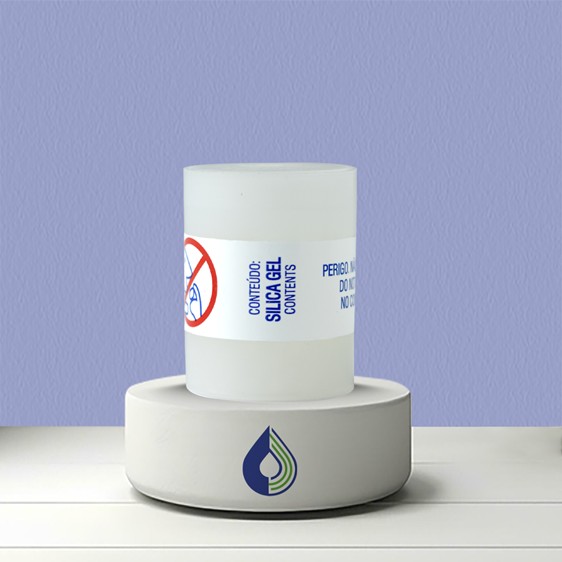
Effective moisture management is crucial in pharmaceutical logistics. Silica gel canister packaging offers controlled adsorption to protect sensitive tablets, capsules, probiotics, and nutraceuticals from humidity during storage and transport. Integration with automated filling and sealing lines enhances operational efficiency while maintaining compliance with GMP and USP <670> standards. Proper packaging not only safeguards product stability but also reduces operational delays caused by moisture-induced damage, ensuring smooth global supply chain operations.
Optimizing Canister Design for Automated Lines
Before integration, packaging design must accommodate high-speed machinery. Canister dimensions, material flexibility, and labeling must align with robotic filling systems. Key considerations include:
- Uniform canister sizes for consistent feeding and alignment.
- Smooth surfaces to prevent jamming on conveyor belts.
- Proper venting to allow controlled moisture absorption without compromising seal integrity.
- Color-coded or visually distinguishable canisters for easier automated sorting.
Designing canisters with these features reduces downtime, prevents mechanical failures, and ensures accurate dose protection during production. In large-scale operations, slight misalignment can cause jams or inconsistent moisture control; optimized canister design minimizes such risks.
Material Selection and Adsorbent Efficiency
Selecting the appropriate adsorbent is essential for performance under automated workflows. Canisters can feature:
- Cobalt-free indicating silica gel that changes color when saturated.
- Molecular sieves for enhanced water adsorption in high-humidity environments.
- Activated carbon blends to neutralize odors and maintain product stability.
- Multi-layer encapsulation to prevent dusting and maximize active surface area.
These materials must withstand high-speed handling and vibration without dusting or degradation, ensuring the adsorbent’s efficiency is preserved throughout filling, sealing, and storage processes. Research indicates that canisters using molecular sieves reduce relative humidity spikes inside containers by up to 40% in simulated warehouse conditions, improving the shelf-life of moisture-sensitive APIs. Source: Packaging Technology & Science, 2021
Automated Filling: Synchronization and Accuracy
Integrating silica gel canisters into filling lines requires precise synchronization. Systems must handle rapid placement without damaging the product or canister. Critical parameters include:
- Conveyor speed and timing for robotic insertion.
- Canister orientation sensors to ensure proper placement in bottles or containers.
- Compatibility with high-speed capping machines to maintain airtight seals.
- Adaptive line software to detect saturation indicators and route canisters accordingly.
Correct automation improves throughput and guarantees uniform moisture protection for all products. For instance, in trials with automated multi-line bottling systems, canister misplacement was reduced by 90% using orientation sensors, eliminating product spoilage and reducing operational waste.
Sealing and Packaging Integrity
Seal quality is a key factor for automated operations. Canister packaging must maintain integrity under mechanical pressure and environmental stress. Design strategies include:
- Tamper-evident lids that lock securely during robotic sealing.
- Compression-resistant outer shells that resist deformation during transport.
- Compatibility with secondary packaging, such as blister packs or bottles.
- Incorporation of moisture-indicating films to confirm seal efficacy post-automation.
Maintaining sealing integrity ensures product stability, compliance with USP <670>, and prevents exposure to external moisture. Automated sealing verification systems can further enhance quality assurance by identifying defective seals in real-time.
Real-World Applications in Pharma
Automated integration of silica gel canisters is widely applied across pharmaceuticals and nutraceuticals:
- Solid oral dosage forms like tablets and capsules.
- Probiotics and enzyme formulations are sensitive to moisture.
- Multi-component drug products require precise humidity control.
- Specialty formulations such as chewables, effervescent tablets, and high-potency APIs.
Data from recent case studies indicate that canister placement within automated bottling lines reduces relative humidity variation inside containers by up to 30%, ensuring consistent shelf life and product quality. Additionally, canisters with cobalt-free indicating gels allow operators to monitor moisture levels without opening containers, maintaining aseptic integrity.
Future-Proofing Packaging for Advanced Automation
As production lines become faster, canisters must adapt:
- Lightweight, high-strength materials reduce mechanical stress.
- Modular canister sizes allow flexible line configurations.
- Integration with sensors for real-time monitoring of saturation levels.
- Compatibility with Industry 4.0 connected manufacturing systems for predictive maintenance and moisture monitoring.
This ensures packaging remains effective in next-generation automated facilities while meeting regulatory and operational requirements. The combination of real-time monitoring and adaptive design provides both performance assurance and regulatory confidence, especially for export-focused manufacturers dealing with long-haul shipping.
In Closing:
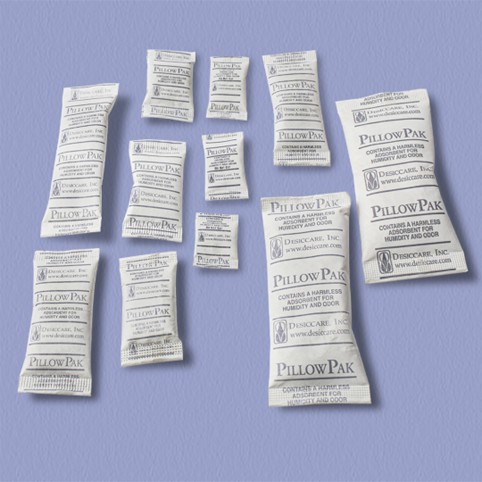
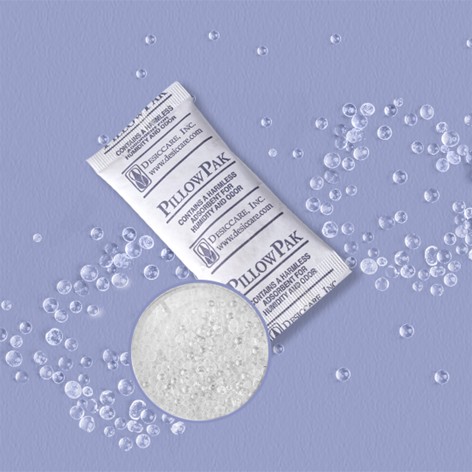
At Adsorbtek Solutions Inc., our silica gel canister packaging solutions are designed for seamless integration with automated filling and sealing lines. Each canister undergoes rigorous validation for adsorption efficiency, mechanical integrity, and compliance with FDA 21 CFR and USP <670>. By partnering with our team, manufacturers gain access to high-performance moisture control systems, tailored to meet production demands. For additional flexibility, our silica gel pillow pak options complement canisters in large-volume or specialized shipments, ensuring complete protection against humidity for sensitive products.
Connect with Adsorbtek Solutions Inc. today to optimize your automated production lines with advanced silica gel canister solutions and achieve consistent moisture control across all your shipments.
FAQs
1. What is the main advantage of silica gel canister packaging in pharmaceuticals?
It protects moisture-sensitive products like tablets, capsules, and probiotics by maintaining controlled relative humidity inside containers.
2. How can canisters integrate with automated filling lines?
They are designed for uniform size, orientation, and stability, enabling seamless robotic placement and high-speed sealing.
3. Which materials are commonly used in silica gel canisters?
Cobalt-free indicating silica gel, molecular sieves, and activated carbon blends are used for moisture adsorption and odor control.
4. How is performance verified during production?
Moisture adsorption, saturation indicators, mechanical integrity, and automated seal checks ensure consistency and compliance with USP <670>.
5. Can silica gel canisters improve the shelf life of APIs?
Yes, by controlling internal humidity, they prevent hydrolysis and maintain stability in solid oral dosage forms throughout distribution.
Search
Recent Posts