What Quality Parameters Define Effective Silica Gel Canister Packaging?
Pharmaceutical products are extremely sensitive to moisture, which can trigger degradation, reduce efficacy, or compromise shelf life. Silica gel canister packaging is a critical component in maintaining product integrity throughout production, storage, and shipping. High-value APIs and moisture-sensitive excipients demand canisters that meet stringent quality standards, integrate effective desiccant complexes, and comply with GMP and FDA guidelines to ensure optimal protection. Properly engineered packaging safeguards your product while ensuring regulatory compliance and operational efficiency.
Material Integrity: The First Line of Defense
The packaging material itself determines how effectively a canister prevents moisture ingress. Modern silica gel canisters are engineered using:
- High-Density Polyethylene (HDPE) or Aluminium Alloys: Provide strong mechanical resistance and high moisture barrier properties.
- Chemical Inertness: Avoids interaction with APIs, excipients, or coating layers.
- USP <671> Compliance: Ensures the material meets pharmaceutical moisture permeability and stability standards.
Additional Considerations:
- Thickness uniformity affects absorption rates and structural resilience.
- Compatibility with sterilization methods like gamma radiation or autoclaving is essential for sensitive APIs.
- Surface smoothness and anti-static properties prevent adherence of powders or fine particulate formulations.
The combination of durable materials and chemical compatibility ensures the canister performs reliably under varying storage and transport conditions.
Desiccant Composition: Optimizing Adsorption
The desiccant inside the canister is the core functional element. Effective packaging leverages pharma-grade desiccant complexes, such as:
- Silica Gel: High surface area granules provide consistent moisture adsorption.
- Molecular Sieves: Capture trace moisture in highly sensitive APIs.
- Activated Carbon: Removes odors and volatile contaminants during storage.
- Calcium Oxide and Bentonite Blends: Act as supplementary moisture buffers for multi-layer packaging.
Technical Insights:
- Granule size and porosity directly impact adsorption kinetics.
- Layered desiccant arrangements optimize airflow and moisture capture efficiency.
- Moisture indicators integrated within the desiccant allow visual verification of performance.
These complexes are selected based on API sensitivity, storage conditions, and shelf-life requirements, ensuring uniform performance over time.
Canister Design: Balancing Functionality and Efficiency
Packaging design impacts adsorption efficiency and overall protection. Quality canisters feature:
- Optimized Internal Geometry: Ensures even airflow and prevents channeling of moisture.
- Sealing Mechanisms: Screw caps, snap-fit closures, or vacuum-sealed lids maintain airtight conditions.
- Stacking and Handling Features: Reduces the risk of deformation or leakage during transport.
Design Sub-Pointers:
- Internal ridges and baffles direct moisture evenly across the desiccant bed.
- Multi-layer seals enhance redundancy and extend shelf-life under extreme conditions.
- Transparent or semi-transparent bodies allow inspection without opening the canister.
Designing for consistent performance across multiple batches is crucial for GMP-compliant pharmaceutical packaging.
Regulatory Compliance: Meeting Pharma Standards
Compliance is non-negotiable in pharmaceutical packaging. Critical regulatory considerations include:
- GMP Guidelines: Ensures reproducible moisture control and packaging validation.
- FDA Requirements: Canisters must meet safety, labeling, and documentation standards.
- ICH Stability Protocols (Q1A & Q1B): Packaging must maintain controlled humidity during stability testing.
Additional Compliance Measures:
- Batch traceability ensures accountability from production to distribution.
- Documentation must include desiccant weight, adsorption capacity, and seal integrity test results.
- Temperature and humidity cycling tests confirm stability under transit and storage conditions.
Every canister must be traceable, validated, and supported by documented QA protocols to meet audits and inspections.
Performance Verification: Metrics for Quality Assurance
Routine monitoring ensures canisters consistently deliver performance. Key QA parameters include:
- Humidity Sensors: Track relative humidity within the canister during storage.
- Weight and Adsorption Testing: Confirms silica gel and molecular sieves maintain absorption capacity.
- Visual Inspection: Detects moisture ingress, discoloration, or desiccant clumping.
Verification Sub-Pointers:
- Periodic re-testing of desiccant adsorption ensures consistent moisture control over multiple shipments.
- Shelf-life simulations help predict canister performance under high-humidity conditions.
- Instrumentation like moisture analyzers or gravimetric testing validates batch performance.
These verification measures reduce risk, ensure compliance, and guarantee API stability from production to end-user delivery.
Customization for Pharmaceutical Requirements
Advanced silica gel canister packaging adapts to product-specific needs. Parameters for customization include:
- Dosage Form Sensitivity: Powdered APIs vs. liquid formulations require different desiccant loads.
- Environmental Conditions: High-humidity regions demand higher adsorption capacity.
- Container Size and Volume: Optimized to ensure uniform desiccant distribution and product protection.
Optimization Strategies:
- A combination of molecular sieves with silica gel enhances performance for ultra-sensitive APIs.
- Integrated moisture indicators and color-changing desiccants allow easy field verification.
- Custom fill volumes prevent excessive headspace, which can reduce adsorption efficiency.
Custom solutions enhance operational efficiency while maintaining consistent moisture control across diverse supply chains.
Closing Note:
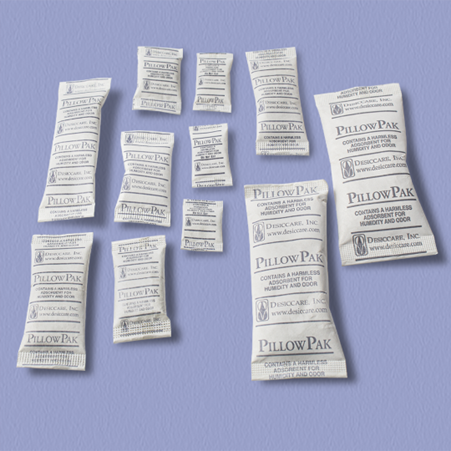
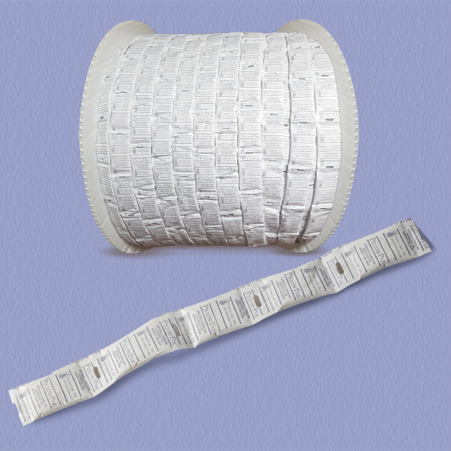
Selecting effective silica gel pillow pak solutions requires expertise in material selection, desiccant complexes, design, and compliance. At Adsorbtek Solutions Inc., we combine silica gel, molecular sieves, activated carbon, and calcium oxide in carefully engineered canisters that meet GMP and FDA standards. Our solutions ensure predictable moisture control, protect sensitive APIs, and deliver robust performance across production, storage, and shipping. Partner with us to optimize your packaging lines and safeguard pharmaceutical products from degradation and moisture-related failures.
FAQs:
1. What is the role of silica gel canister packaging in pharma products?
It maintains low humidity inside containers, preventing degradation of moisture-sensitive APIs and extending shelf life.
2. Which desiccant compounds are commonly used in canisters?
Silica gel, molecular sieves, activated carbon, and calcium oxide are standard to ensure optimal moisture control.
3. How does canister design affect performance?
Internal geometry, sealing mechanisms, and material integrity ensure uniform moisture absorption and prevent ingress during storage and transit.
4. What regulatory standards must effective canisters meet?
GMP compliance, FDA packaging guidelines, and ICH stability protocols ensure safety, reliability, and validated performance.
5. How can the performance of silica gel canisters be verified?
Humidity sensors, adsorption capacity testing, and visual inspection confirm consistent moisture control across batches.